

Discovering the Beauty of Traditional Kimono and Japanese Dress
Traditional Japanese garments captivate fashion enthusiasts worldwide with their timeless elegance and rich cultural heritage. According to the Japan Traditional Crafts Association, kimono sales increased by 18% in 2024, reflecting growing global appreciation for authentic Japanese artistry. Whether you're drawn to the flowing grace of a silk kimono or the casual comfort of a cotton yukata, Traditional Japanese clothing offers an extraordinary way to connect with centuries-old craftsmanship. What draws you to explore this fascinating world of Japanese fashion?
The Rich Heritage Behind Japan's Iconic Garments
Traditional Japanese clothing carries over 1,200 years of refined craftsmanship, dating back to the Heian period when aristocrats first developed the layered kimono aesthetic. These garments evolved from practical necessities into profound expressions of social status, seasonal awareness, and spiritual harmony.
The kimono's T-shaped silhouette emerged during the 8th century, influenced by Chinese Tang dynasty robes. However, Japanese artisans transformed these foreign designs into something uniquely their own. Each fold, pattern, and color choice carried deep meaning - representing everything from family lineage to personal aspirations.
During the Edo period, sumptuary laws strictly regulated who could wear certain fabrics and colors. Merchants, despite their wealth, were forbidden from wearing silk, leading to the development of sophisticated cotton weaving techniques. This restriction paradoxically sparked incredible innovation in textile artistry.
Today's traditional garments maintain these ancient principles while adapting to modern life. Contemporary artisans continue using time-honored techniques like hand-dyeing and intricate embroidery, ensuring each piece connects wearers to Japan's rich cultural tapestry. These garments remain powerful symbols of respect, ceremony, and cultural continuity.
Essential Types of Authentic Japanese Garments
Japanese traditional clothing represents centuries of refined craftsmanship and cultural significance. Each garment serves specific occasions and carries deep symbolic meaning in Japanese society.
- Kimono – The most formal traditional robe, featuring long sleeves and intricate patterns. Reserved for ceremonies, weddings, and special cultural events.
- Yukata – A lighter summer kimono made from cotton, perfect for festivals and casual occasions. More accessible for everyday wear than formal kimono.
- Haori – A sophisticated jacket worn over kimono, originally for men but now popular among women. Adds elegance and warmth to any traditional outfit.
- Obi – The essential wide sash that secures kimono and yukata. Different tying techniques reflect the wearer's age, marital status, and occasion formality.
- Geta – Traditional wooden sandals with elevated platforms, designed to protect feet from mud and moisture while maintaining proper posture.
- Tabi – Split-toe socks worn with traditional footwear, creating the distinctive separation between the big toe and other toes.
Understanding these distinctions helps appreciate the thoughtful design behind each piece and ensures appropriate selection for different cultural contexts.
Mastering the Art of Proper Traditional Attire
Wearing a kimono or a yukata requires far more than simply putting on a garment. These traditional outfits follow precise rules that reflect centuries of Japanese cultural refinement.
The first step is mastering the correct folding. The left panel of the kimono must always overlap the right one—never the other way around. This fundamental rule prevents cultural misunderstanding, as the reverse is reserved for the deceased. Next, adjust the length so that the hem gently brushes your ankles.
Tying the obi is an art in itself. This wide sash is positioned just below the chest for women, with care taken to create a balanced, harmonious knot at the back. Techniques vary according to age and occasion: a simple knot for everyday wear, and more elaborate forms for ceremonies.
Japanese dress etiquette also calls for thoughtful seasonal choices. Bright colors and floral patterns are suited to spring, while more subdued tones dominate autumn and winter.
Why Craftsmanship Matters in These Timeless Pieces
Behind every authentic Japanese garment lies centuries of ancestral techniques passed down through generations of skilled artisans. The difference between mass-produced imitations and genuine pieces becomes apparent the moment you feel the fabric between your fingers.
Traditional weaving methods like nishiki brocade and chirimen crepe require years to master. These craftsmen understand how silk threads should catch light, how patterns must align perfectly at seams, and why certain dyes create colors that seem to glow from within the fabric.
When you invest in pieces made by local Japanese artisans, you're not just buying clothing – you're preserving an art form. Each stitch tells a story of dedication, where shortcuts simply don't exist. The hand-painted motifs, the precisely calculated measurements, the reinforced stress points that ensure longevity – these details separate authentic craftsmanship from factory reproductions.
This commitment to excellence means your garment will age gracefully, developing character while maintaining its structural integrity for decades to come.
Where to Find Genuine Cultural Clothing
Finding authentic Japanese traditional clothing requires knowing where to look and what to look for. The key lies in understanding the difference between mass-produced costumes and genuine artisanal pieces that carry cultural significance and superior craftsmanship.
When evaluating potential sources, examine the fabric quality first. Authentic pieces typically feature natural materials like silk, cotton, or linen with hand-applied patterns or traditional dyeing techniques. The stitching should be precise and even, reflecting the meticulous attention to detail that characterizes Japanese craftsmanship. Genuine garments often come with information about their origin, the artisan who created them, or the traditional techniques used in their production.
Specialized boutiques that focus exclusively on Japanese cultural items offer distinct advantages over general retailers. These establishments typically work directly with Japanese artisans, ensuring authenticity while providing detailed information about each piece's cultural context. They also offer expert guidance on proper sizing, care instructions, and appropriate occasions for wearing each garment type. Quality customer service, including return policies and detailed product descriptions, indicates a retailer's commitment to customer satisfaction and product authenticity.
Your Questions About Japanese Traditional Fashion
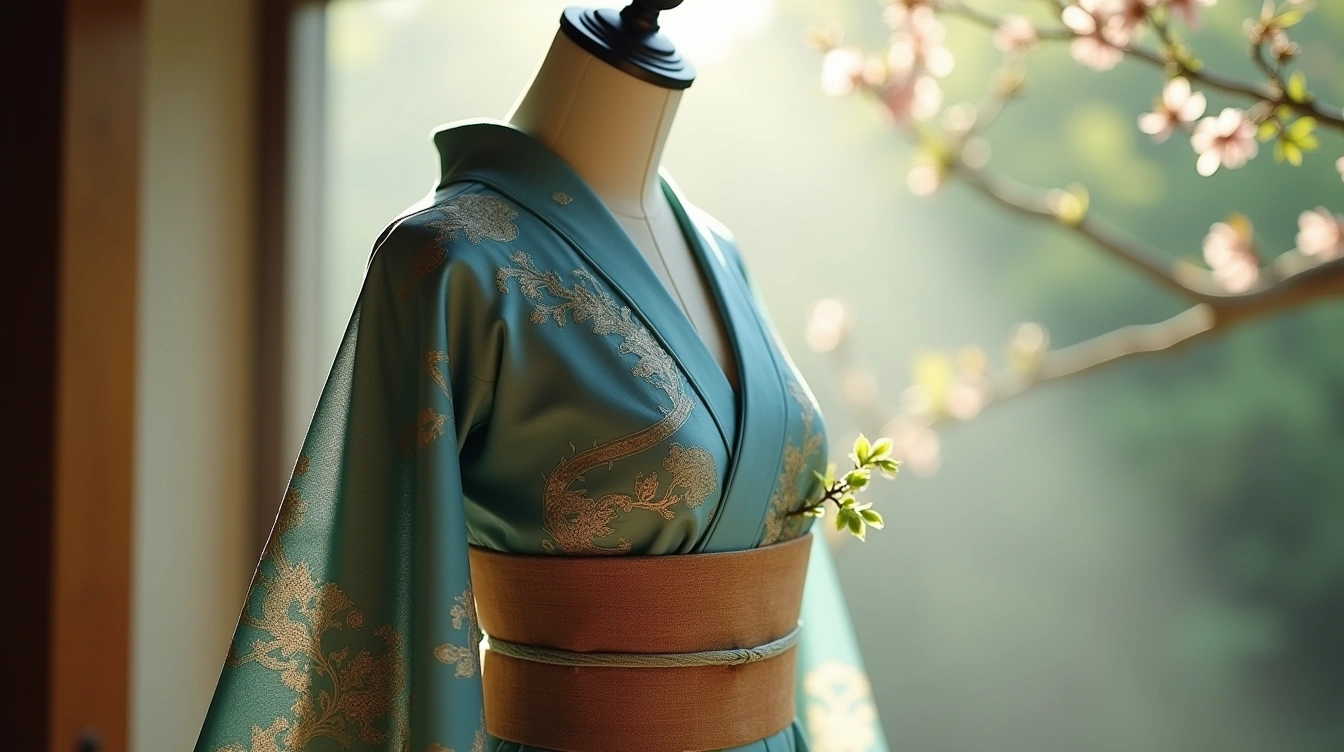
Découvrir la mode traditionnelle japonaise soulève de nombreuses questions. Voici les réponses aux interrogations les plus fréquentes pour vous guider dans votre exploration de ces vêtements authentiques.
What are the different types of traditional Japanese clothing?
Les principaux vêtements incluent le kimono (tenue formelle), le yukata (version estivale), le haori (veste courte), le hakama (pantalon plissé) et l'obi (ceinture). Chaque pièce a sa fonction spécifique.
How do I properly wear a kimono or yukata?
Enfilez le sous-vêtement, puis le kimono en croisant le côté gauche sur le droit. Attachez l'obi à la taille et ajustez la longueur. Des tutoriels détaillés facilitent l'apprentissage de cette technique millénaire.
What's the difference between a kimono, yukata, and haori?
Le kimono est la tenue traditionnelle complète, le yukata une version légère pour l'été, et le haori une veste courte portée par-dessus. Leurs tissus et occasions d'usage diffèrent selon les saisons.
Where can I buy authentic Japanese clothing online?
Recherchez des boutiques spécialisées proposant des articles fabriqués par des artisans japonais. Vérifiez l'authenticité, la qualité des tissus, les avis clients et les garanties de retour pour un achat serein.
What occasions are appropriate for wearing traditional Japanese garments?
Festivals culturels, cérémonies du thé, mariages, célébrations du Nouvel An, ou simplement pour découvrir cette culture. Les yukatas conviennent parfaitement aux événements estivaux et aux moments de détente à domicile.